

When companies start planning a custom software product, one of the first questions is simple: how long will it take?
The honest answer is that every product is different. Scope, complexity, integrations, stakeholder availability, and testing depth all influence the timeline. Still, most custom software projects follow a predictable structure.
At Deventure.co, we see successful projects move through a clear sequence of phases, with each one reducing risk and creating momentum for the next. In most cases, a well-run custom software product takes around 5 to 9 months from initial discovery to launch readiness.
1. Requirements Gathering, Wireframing, and Design
Typical duration: 3 to 4 weeks
This is where clarity is built.
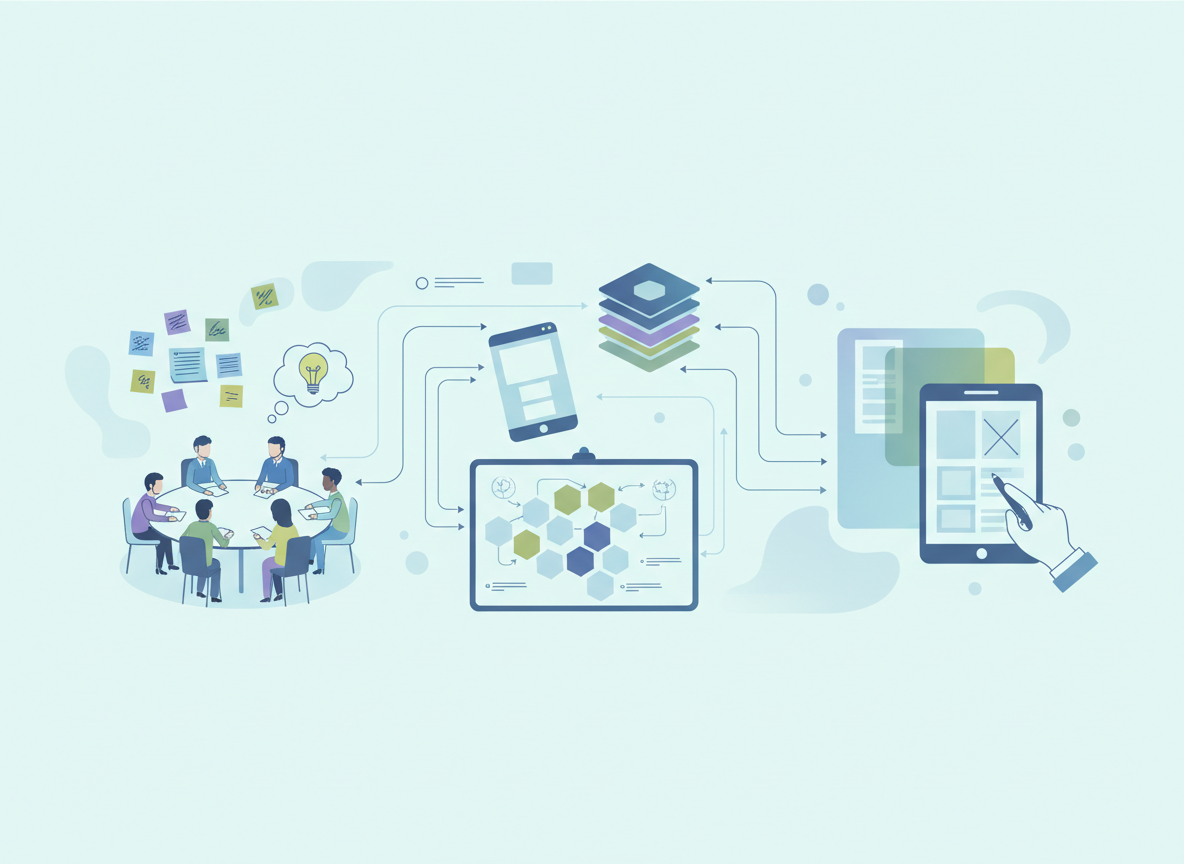
Before a single line of code is written, the team aligns on business goals, user flows, must-have functionality, and the scope of the first release. Wireframes and early design concepts help turn ideas into something concrete, while also surfacing decisions that affect budget, delivery, and technical direction.
This phase is often faster when stakeholders are available, feedback loops are short, and priorities are clear.
2. Planning and Strategising
Typical duration: 3 to 4 days
Once the product direction is defined, the work is mapped out.
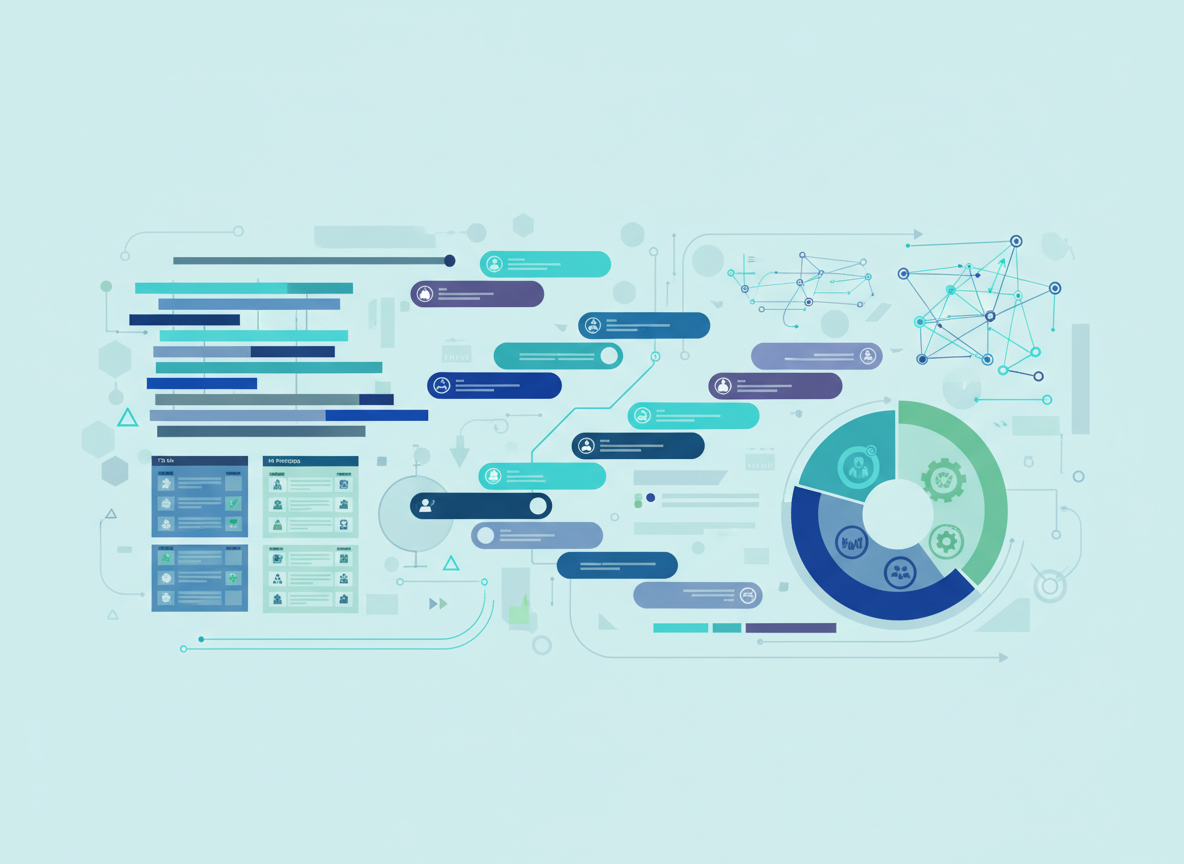
Planning includes sequencing tasks, allocating resources, identifying dependencies, and deciding what can happen in parallel. It is a short phase, but an important one. Strong planning creates delivery confidence and helps teams move into development with fewer surprises.
3. Technical Architecture
Typical duration: 2 to 3 weeks
Architecture gives the product its foundation.
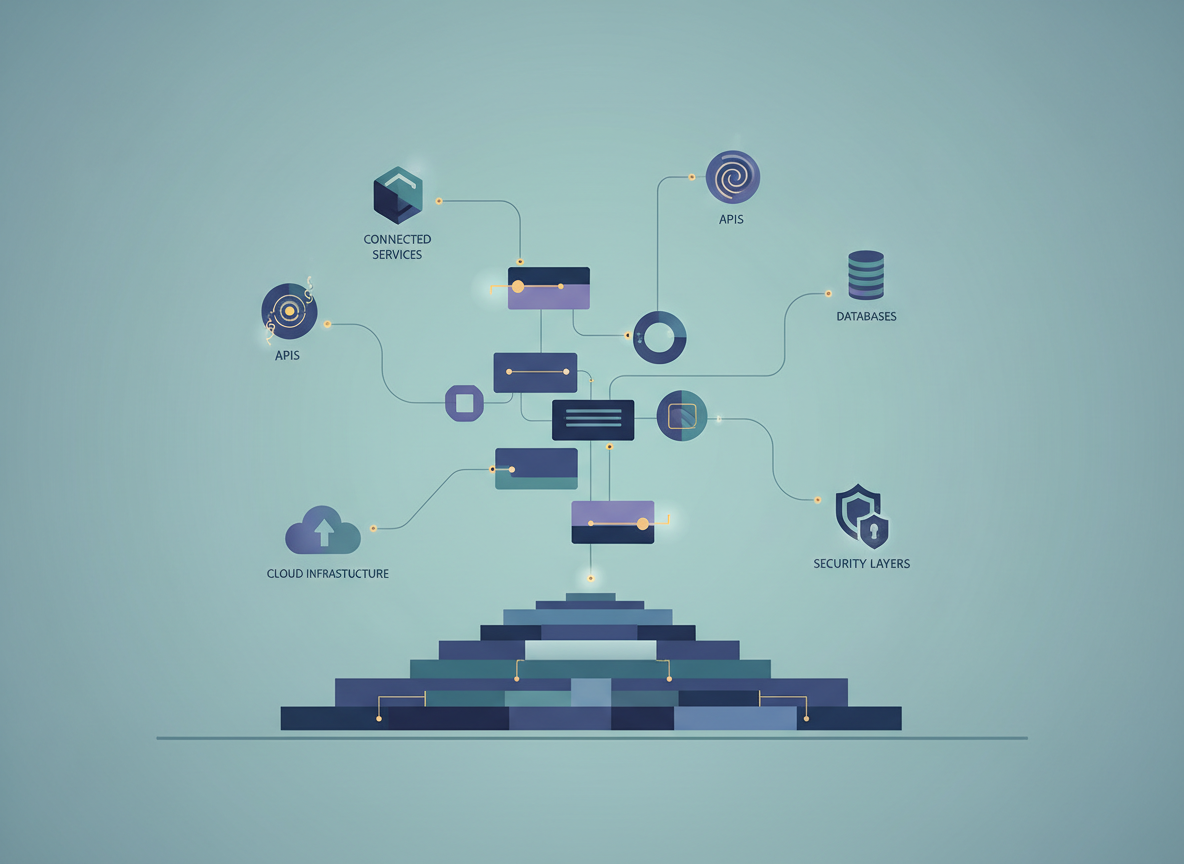
At this stage, the team defines the technology stack, system structure, integration approach, and the technical decisions that support security, scalability, and performance. For products with external systems, complex workflows, or enterprise requirements, this phase becomes even more important.
A solid architecture does not slow delivery down. It protects it.
4. Development
Typical duration: 4 to 6 months
This is the longest phase, and for good reason.
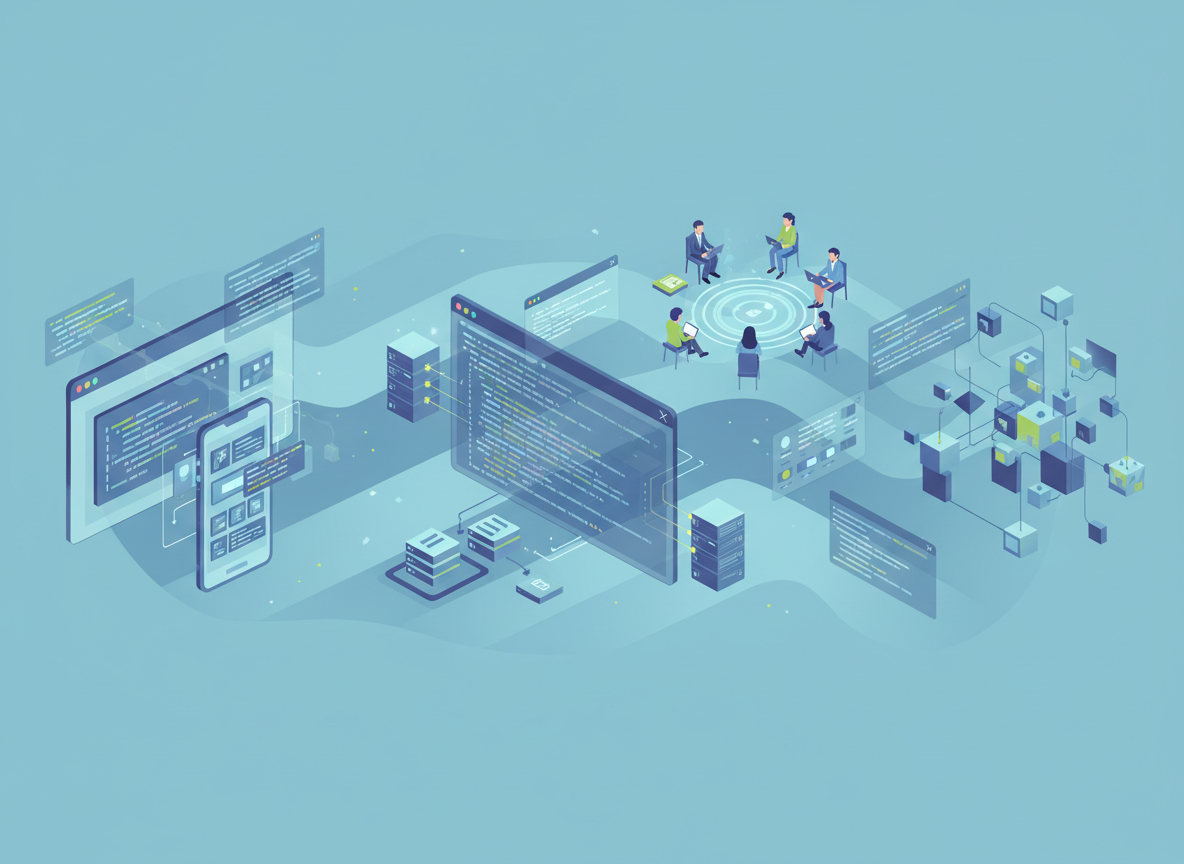
Development is where the product takes shape across frontend, backend, infrastructure, and integrations. Designers, architects, project managers, QA specialists, and engineers need to work in sync. Progress depends not only on technical execution, but also on communication, prioritisation, and review speed.
It is also the phase where many teams try to accelerate by adding more people. In reality, speed comes from coordination and process, not just headcount.
5. Testing and Bug Fixing

Quality assurance is not a final checkbox. It is what protects the product experience before launch.
This stage typically includes end-to-end testing and user acceptance testing, and may also involve load testing, performance testing, integration testing, and cross-browser or cross-device validation. The exact timeline depends on how complex the product is and how many scenarios need to be verified.
The goal is simple: make sure the product works as intended in real-world conditions.
6. Launch Readiness and Deployment

Typical duration: a few days to 1 week
Once development and testing are complete, the product moves into launch readiness. This stage focuses on preparing the application for production and making sure everything is in place for a smooth release.
Typical activities here include final stakeholder approval, deployment planning, environment checks, production configuration, monitoring setup, and rollback preparation in case any issues appear after launch. If the product includes third-party integrations, payment flows, or high user traffic expectations, this step becomes even more important.
Launch readiness is not just about pushing code live. It is about making sure the product can perform reliably in a real-world environment from day one.
A well-managed deployment phase reduces risk, improves confidence across teams, and helps ensure the transition from build to live product is controlled and predictable.
What Usually Affects the Timeline?
A realistic schedule depends on more than technical effort alone. The biggest factors are usually:
- Product size and feature scope
- Complexity of integrations and business logic
- Stakeholder responsiveness during reviews
- Speed of decision-making
- Depth of testing required
- Change requests introduced during delivery
This is why experienced teams focus not only on building, but on managing risk early.
Why Process Matters
A strong custom software schedule is not about rushing. It is about creating the right balance between speed to market and quality.
At Deventure.co, we believe the best outcomes come from working as partners, not vendors. With UI/UX design, development, and QA delivered in-house, teams can move faster, communicate better, and reduce the friction that often delays software projects.
When the process is clear, the collaboration is strong, and the scope is managed well, custom software delivery becomes far more predictable.
Final Thought
If you are planning a custom software product, the right question is not only how fast can it be built? It is also how can it be built well, with the right foundation for growth?
A realistic timeline, backed by the right team and process, gives you both.
If you are exploring a new product, platform, or internal system, we would be glad to discuss what a practical delivery schedule could look like for your business.