

In 2026, businesses are under growing pressure to launch faster, integrate more systems, and keep products flexible enough to evolve without constant rebuilds. That is exactly why API-first product development is becoming a defining approach for modern custom software delivery.
At Deventure.co, we see API-first architecture as more than a technical preference. It is a practical way to help clients build software that is scalable, maintainable, and ready for long-term growth.
What API-First Really Means
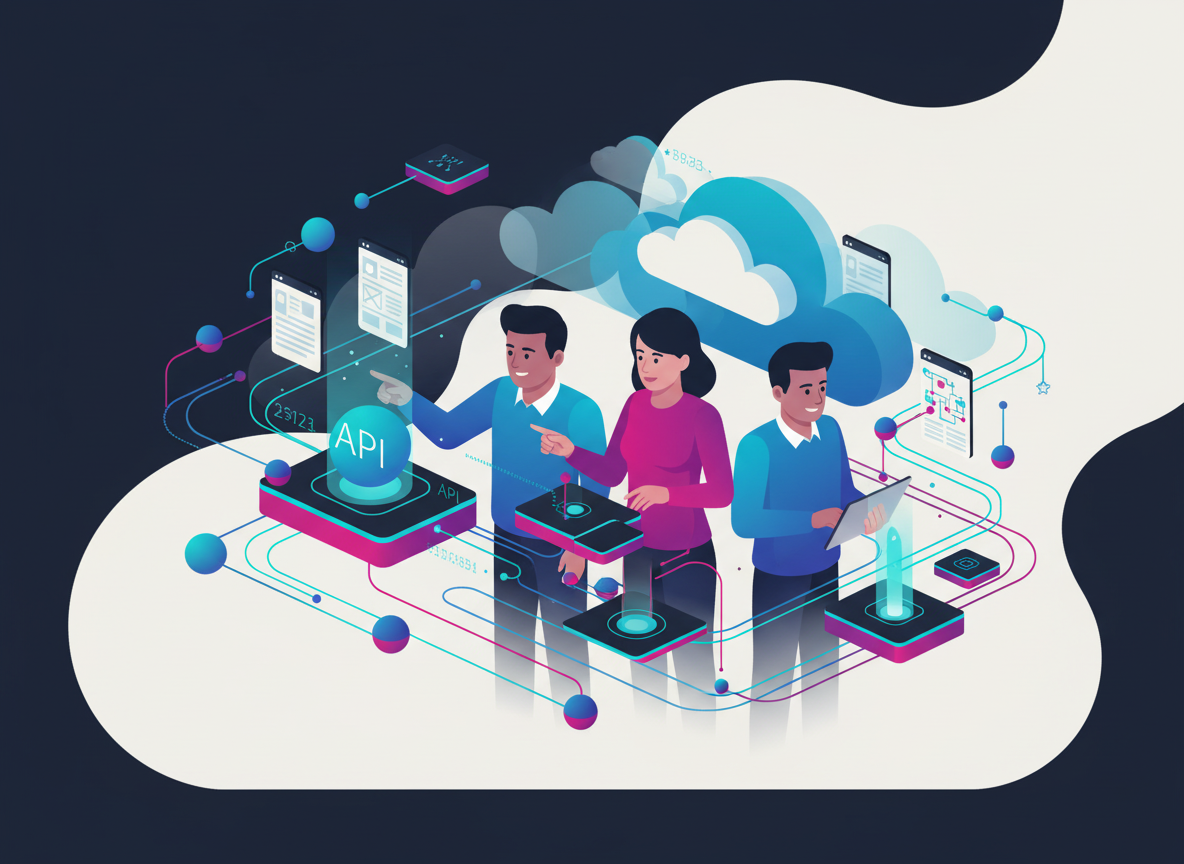
API-first development means the service layer is designed before the user-facing applications. Instead of treating APIs as an afterthought, the API becomes the foundation of the product.
This approach centralizes business logic, workflows, and rules into a stable, documented layer that can be consumed by multiple interfaces, including:
- Web applications
- Mobile apps
- Admin portals
- Third-party platforms
- Internal business tools
When the API is the backbone of the system, every connected product works from the same source of truth.
Why This Matters More in 2026
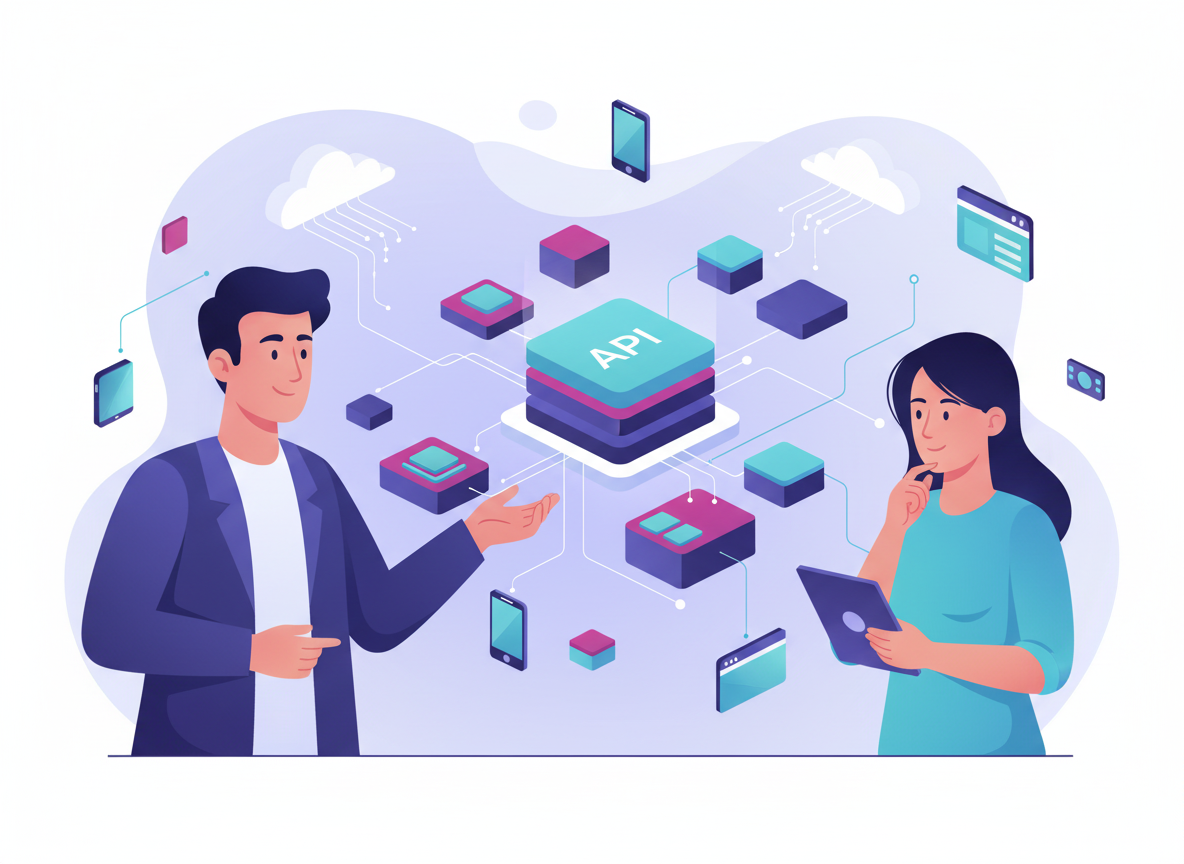
Product teams are expected to deliver faster while supporting more integrations, more channels, and more complex user expectations. Traditional monolithic builds often create friction because front-end and back-end systems become tightly coupled, making change slower and more expensive.
API-first changes that.
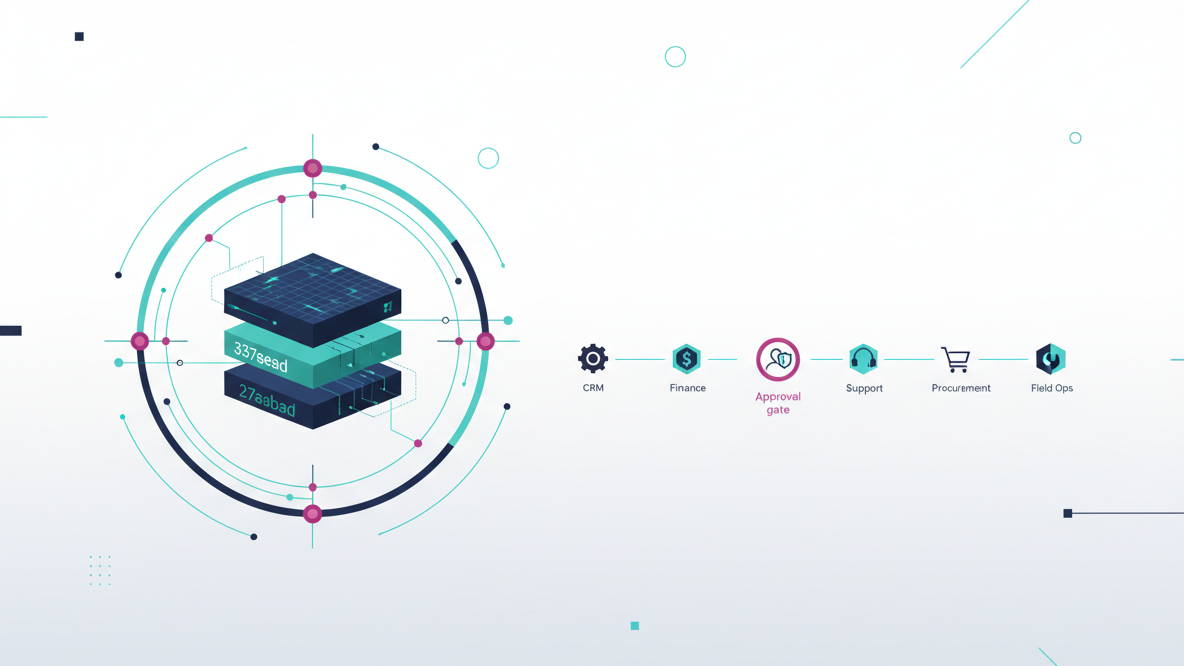
By designing the architecture around reusable services, development teams can work in parallel, release more confidently, and expand systems without reengineering the entire product. This is especially important for companies that need to connect with CRMs, ERPs, payment gateways, analytics platforms, and AI-powered services.
How Deventure Approaches API-First Delivery

At Deventure, our process starts with understanding the business model, workflows, and long-term product goals. We do not just build features. We design systems that support growth.
Our API-first delivery approach typically includes:
- Discovery and process mapping We identify the core workflows, user roles, integrations, and operational needs that the software must support.
- Domain-driven API design We structure the service layer around real business domains so the architecture reflects how the product actually operates.
- Documentation-first planning Endpoints, data structures, and interaction patterns are defined early, creating clarity for both engineering and stakeholders.
- Parallel in-house execution Because our UI/UX, development, and QA capabilities are all delivered in-house, teams can move in sync without unnecessary handoff delays.
- Iterative release and validation We test continuously, refine quickly, and keep governance in place so the system remains stable as it grows.
The Benefits Clients Actually Feel
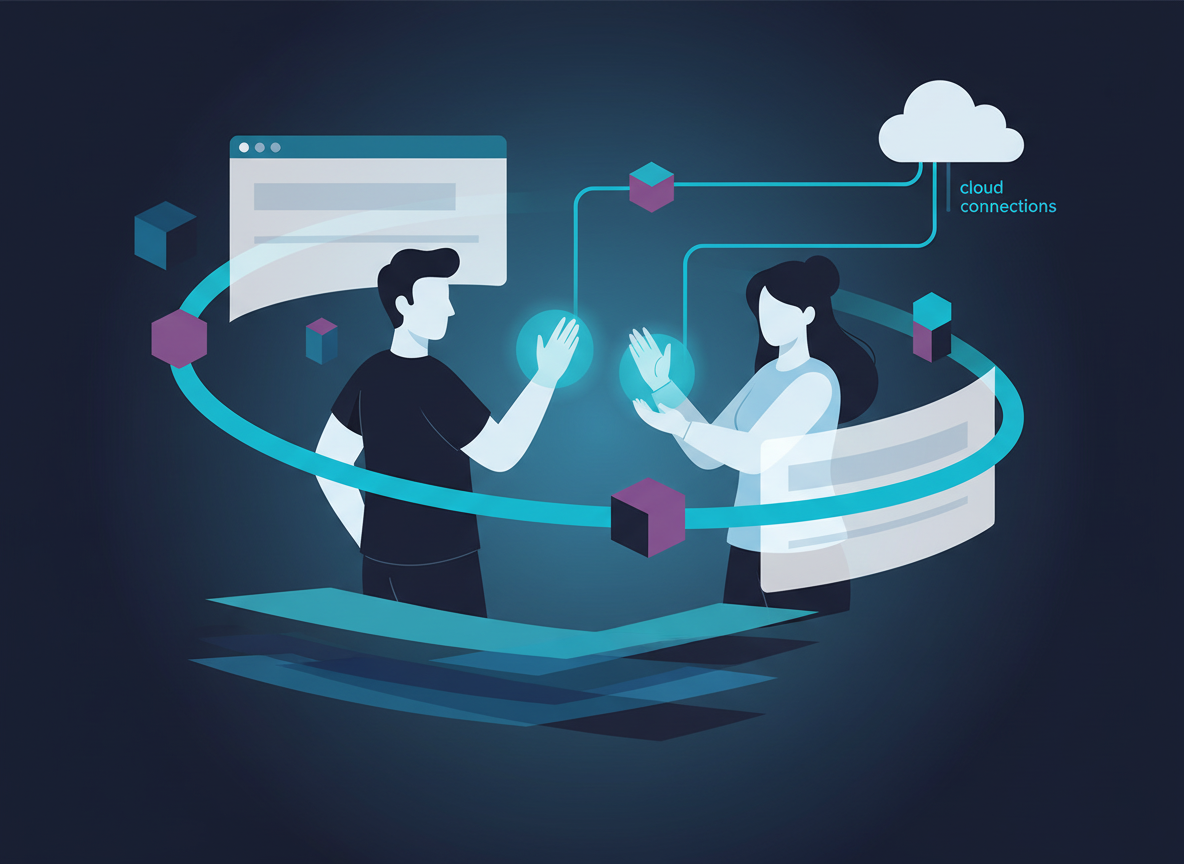
API-first architecture creates technical advantages, but more importantly, it creates business advantages.
Clients benefit from:
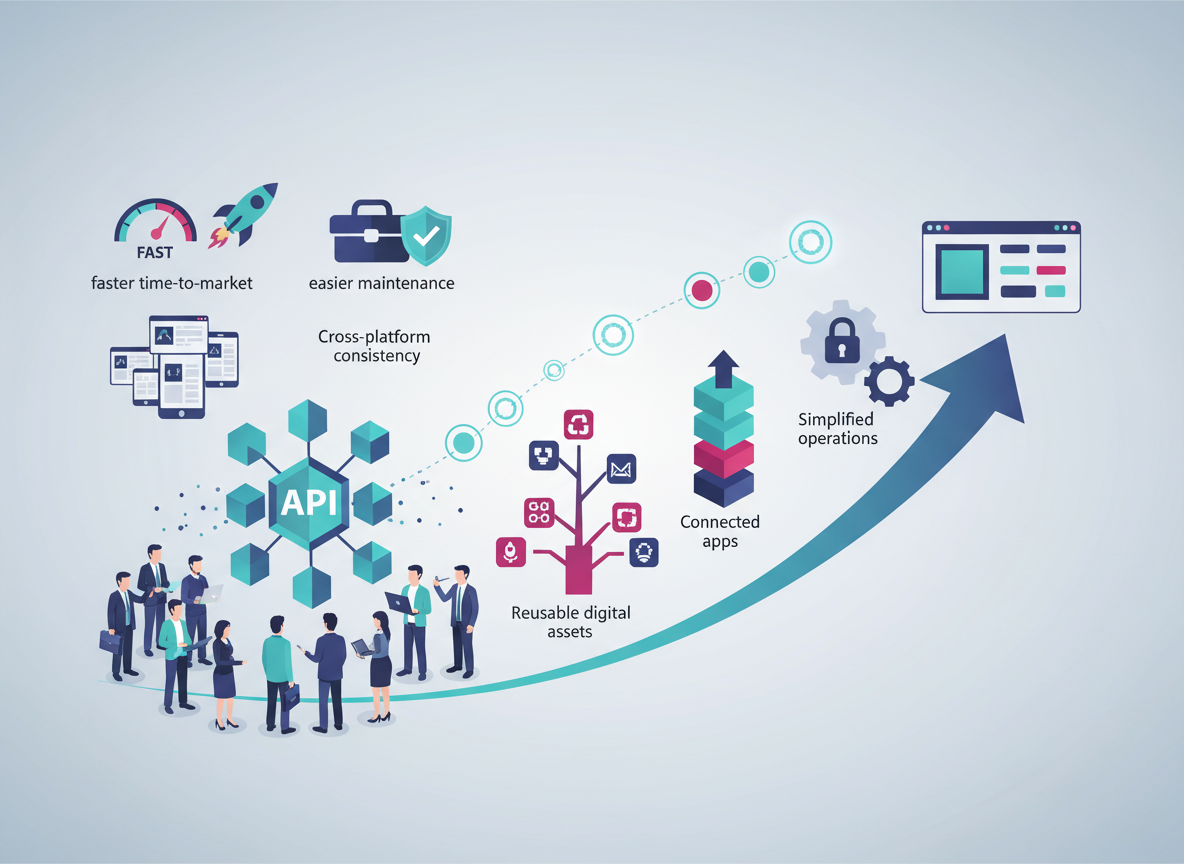
- Faster time-to-market through parallel development workflows
- Cross-platform consistency because multiple applications consume the same core services
- Simpler maintenance when updates happen once in the API layer and flow across connected products
- Better scalability as new modules, interfaces, and integrations are added over time
- Lower long-term friction by reducing duplicated logic and brittle dependencies
- Reusable digital assets that accelerate future development
This model also supports stronger product resilience. As business needs change, the software can evolve without forcing a complete rebuild.
Why This Fits the Deventure Model
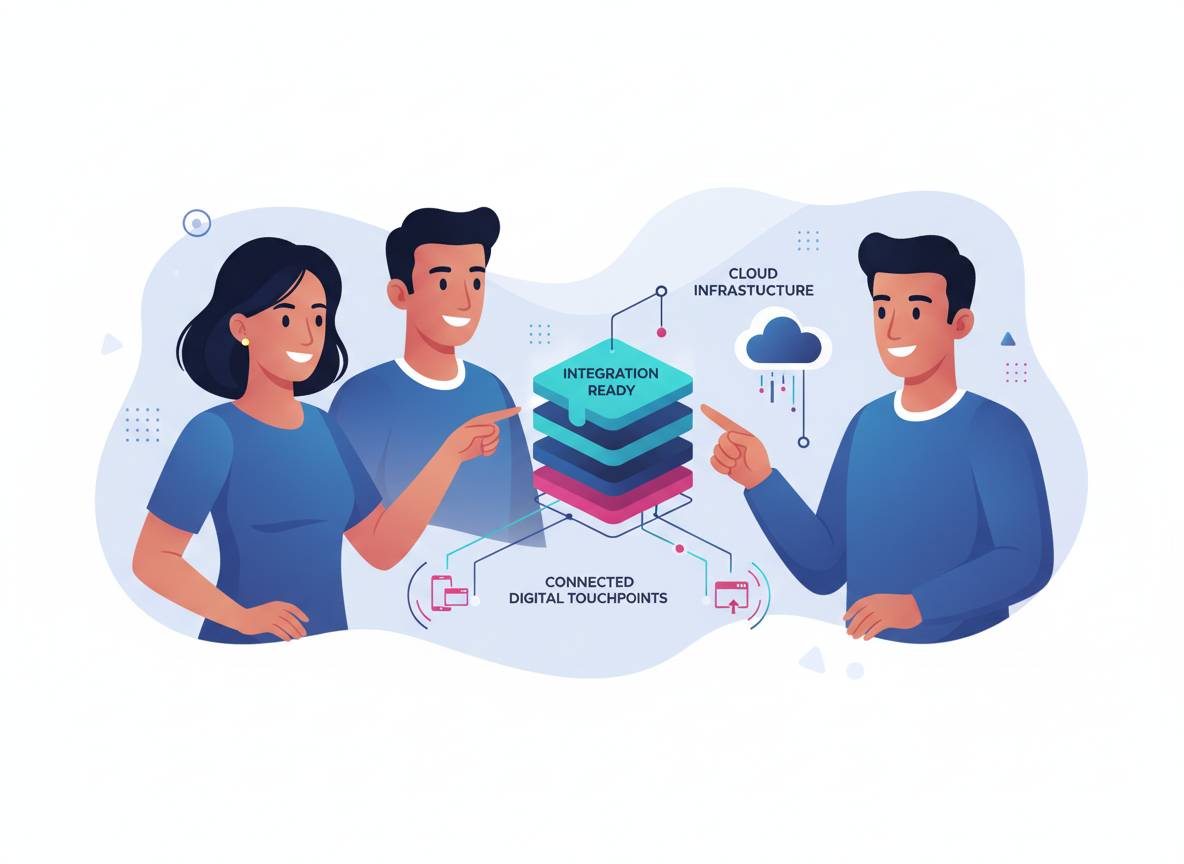
Deventure has always focused on combining speed to market with uncompromising quality. Because we deliver UI/UX design, custom software development, and QA testing under one roof, we can align product thinking, architecture, and execution from day one.
That matters when building API-first systems.
A fragmented delivery model often slows decisions and creates disconnects between design, engineering, and testing. Our in-house structure helps us keep those layers connected, which leads to cleaner execution and more reliable outcomes.
We also work with a partnership mindset. We do not approach delivery as a one-off build. We help clients create software products that are ready to scale, integrate, and support digital transformation over time.
API-First as a Strategic Advantage

The strongest software products in 2026 will not just look polished on the surface. They will be built on architectures that support speed, adaptability, and integration from the start.
That is why API-first development is becoming such an important strategic advantage.
For businesses, it means more flexibility and less technical debt. For product teams, it means faster delivery and cleaner collaboration. For long-term growth, it means building a system that can evolve with the market instead of fighting against it.
At Deventure.co, we believe custom software should be modular, integration-ready, and designed to create lasting value. API-first is one of the clearest ways to make that happen.
Final Thought
If your product roadmap includes multiple platforms, third-party integrations, or future expansion, API-first architecture is no longer optional. It is one of the smartest ways to build software that remains useful, scalable, and competitive.
That is the kind of software we aim to build at Deventure: practical, future-ready, and engineered for real business growth.