

Why the real advantage is not standardization alone, but interoperable ownership
For years, the software conversation has been framed as a trade-off: either organizations adopt standardized platforms for scale, or they build custom systems for flexibility.
That framing is no longer sufficient.
The real opportunity is not choosing between custom software and scale. It is building enterprise-specific software that operates within shared national frameworks for law, compliance, security, and interoperability. When that happens, custom-built systems stop being isolated tools and start becoming part of something much larger: the digital foundations of a programmable economy.
From enterprise software to economic infrastructure

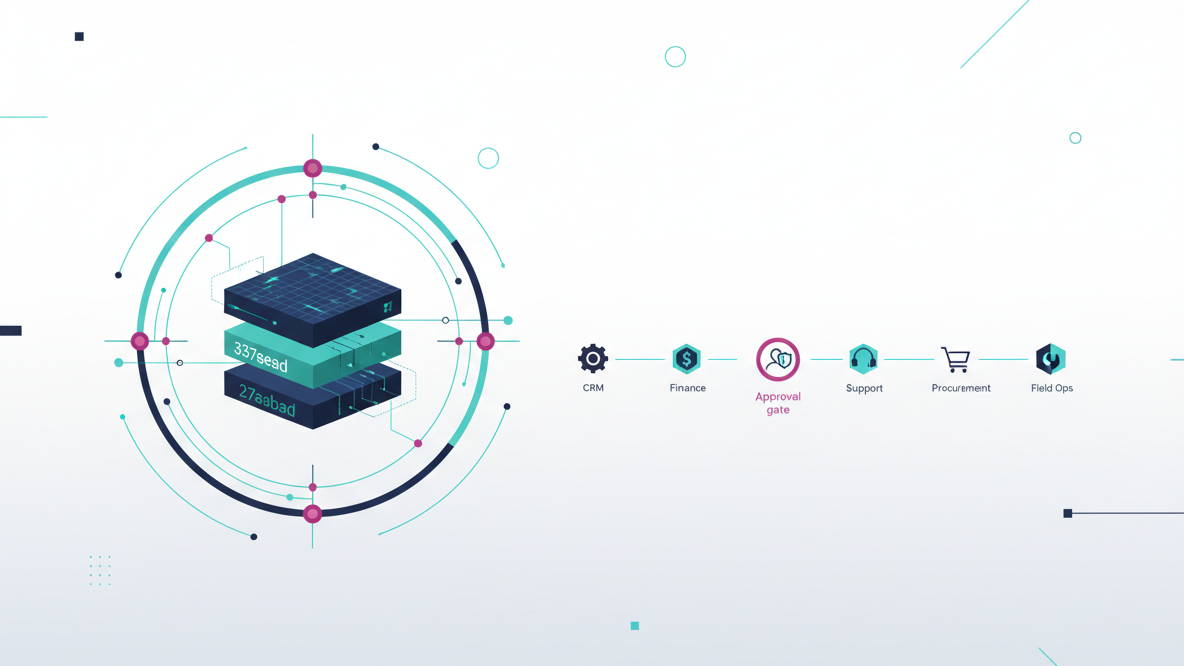
Modern software is no longer just a back-office utility. In many sectors, it now supports identity, payments, compliance, logistics, service delivery, and trust.
At scale, these systems begin to resemble digital infrastructure.
This includes:
- Identity layers that verify people and organizations
- Transaction layers that support payments, contracts, and taxation
- Data exchange layers that enable APIs, consent, and secure information flows
- Cloud and compute layers that power resilience and performance
- Security layers that protect systems through encryption, access control, and cyber defense
When these layers are designed to work together, they create the conditions for population-scale programmable economies: environments where billions of interactions can be processed securely, consistently, and efficiently.
The false tension between custom and scale
Custom software is often misunderstood as software that is unique and therefore disconnected.
But custom does not have to mean isolated.
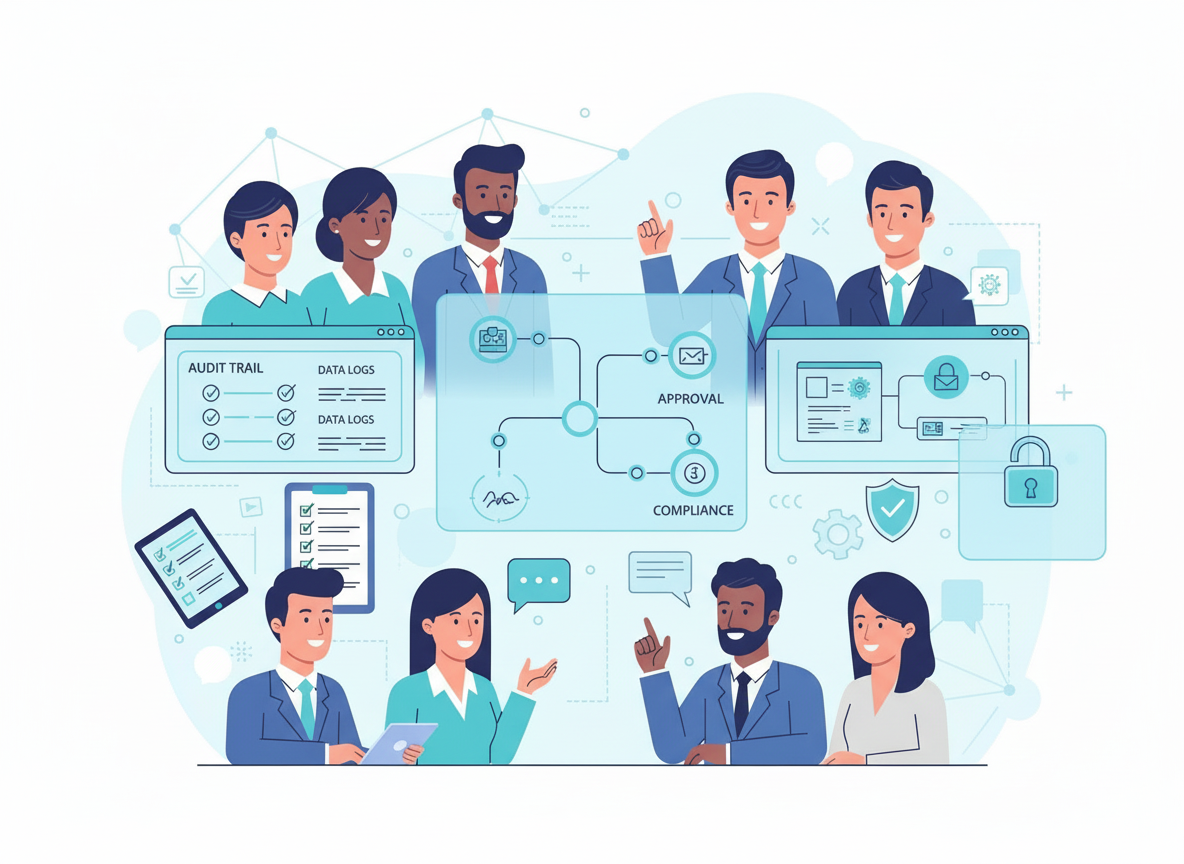
An enterprise may need software tailored to its workflows, customers, regulatory obligations, and strategic priorities. That uniqueness is often where competitive advantage is created. Yet those systems can still be designed to align with national legal frameworks, compliance requirements, data governance rules, and security standards.
They can also be built with interoperability in mind.
That is the key distinction.
The goal is not to make every enterprise use the same software. The goal is to ensure that different systems can operate on shared rails when needed. In that model, software remains custom in function but aligned in framework.
Why interoperability matters
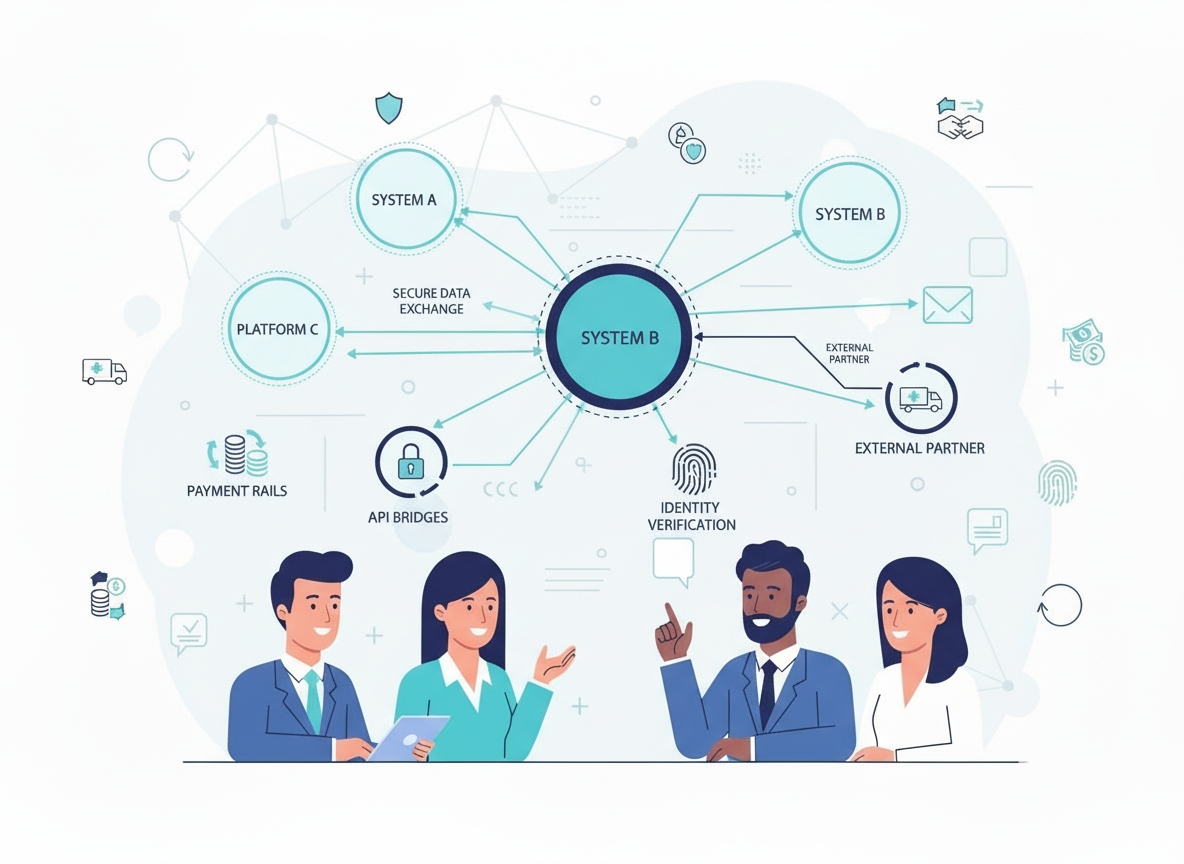
Population-scale programmable economies are not created by identical systems. They are created by interoperable ones
When enterprise platforms can exchange data securely, integrate through common protocols, and operate within trusted governance models, the benefits extend far beyond internal efficiency.
This creates:
- Faster service delivery across institutions
- Lower friction in payments, onboarding, and compliance
- Better coordination between public and private systems
- Greater resilience across supply chains and regulated sectors
- A stronger foundation for innovation at national scale
In other words, interoperability turns enterprise software into ecosystem capability.
Ownership, control, and strategic resilience
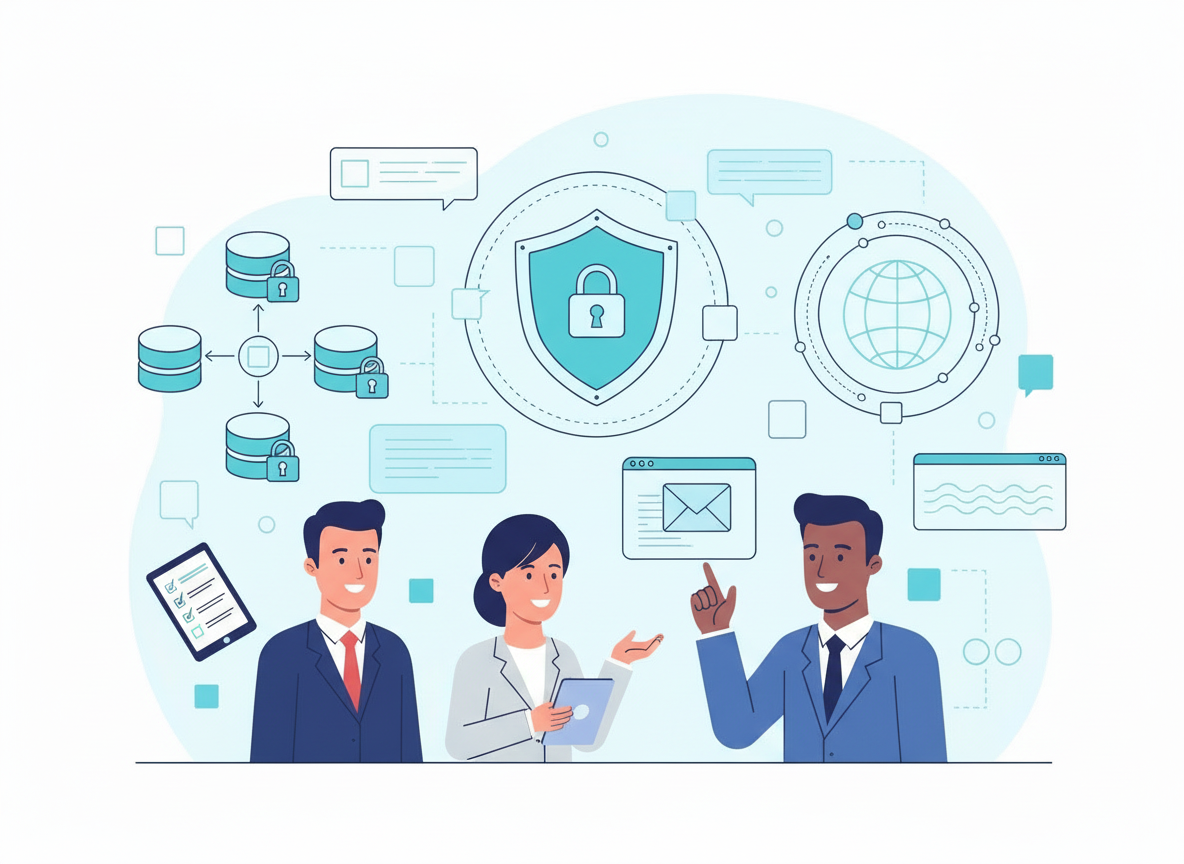
There is also a strategic reason this matters.
When enterprises build and control the software that powers critical operations, they gain more than technical flexibility. They gain the ability to adapt faster, govern data more responsibly, strengthen security posture, and reduce dependency on fragmented external platforms.
That does not mean building everything from scratch. It means owning the strategic layers that define how the system operates, evolves, and creates value.
When enough enterprises do this within a shared national framework, the result is not fragmentation. It is coordinated digital capability.
That is where custom-built software contributes to digital sovereignty, not through isolation, but through controlled participation in a connected ecosystem.
A more practical way to think about it
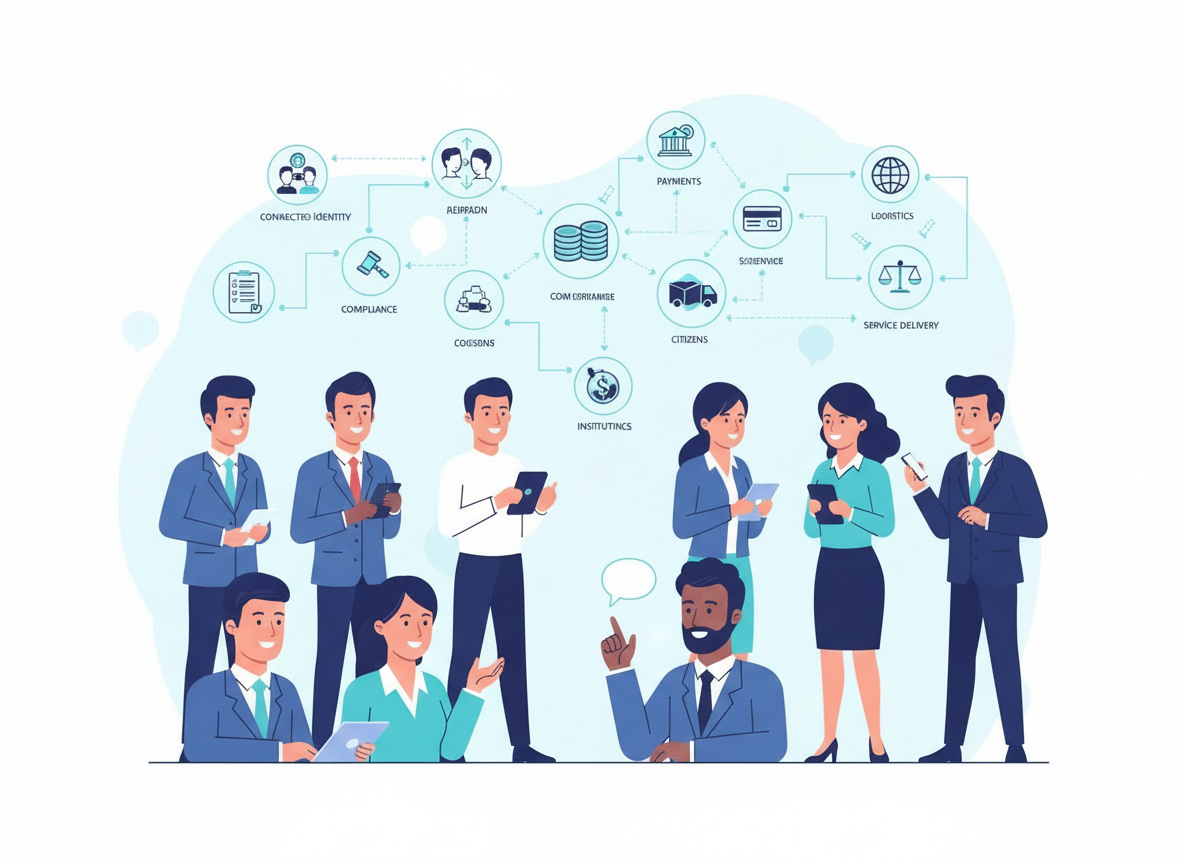
The future is not off-the-shelf standardization versus custom development.
The future is enterprise-specific software built on common legal, regulatory, security, and interoperability foundations.
That model creates balance:
- Enterprises retain flexibility and differentiation
- Regulators retain oversight and compliance coherence
- Citizens and customers benefit from more seamless digital experiences
- Economies gain speed, trust, and scalability
This is how custom-built products can help shape population-scale programmable economies.
Not because every system is the same.
But because each system is designed to contribute to a broader, trusted, and interoperable digital environment.
Final thought
Custom software becomes strategically powerful when it serves two goals at once: enterprise performance and ecosystem compatibility.
That is the shift leaders should pay attention to.
The question is no longer whether software should be custom or standardized.
The real question is whether custom-built systems are being designed to operate within the frameworks that allow a nation’s digital economy to scale with trust, resilience, and control.